

A Simple Guide to Smart Investing
Investing can be straightforward and rewarding if you understand some basic principles. Here's a more detailed guide for beginners:
1. Spend Less Than You Earn
-
What It Means: Ensure you have money left over each month by spending less than your income.
-
Actionable Steps:
- Create a budget to track your income and expenses.
- Identify areas where you can cut back, like dining out or subscription services.
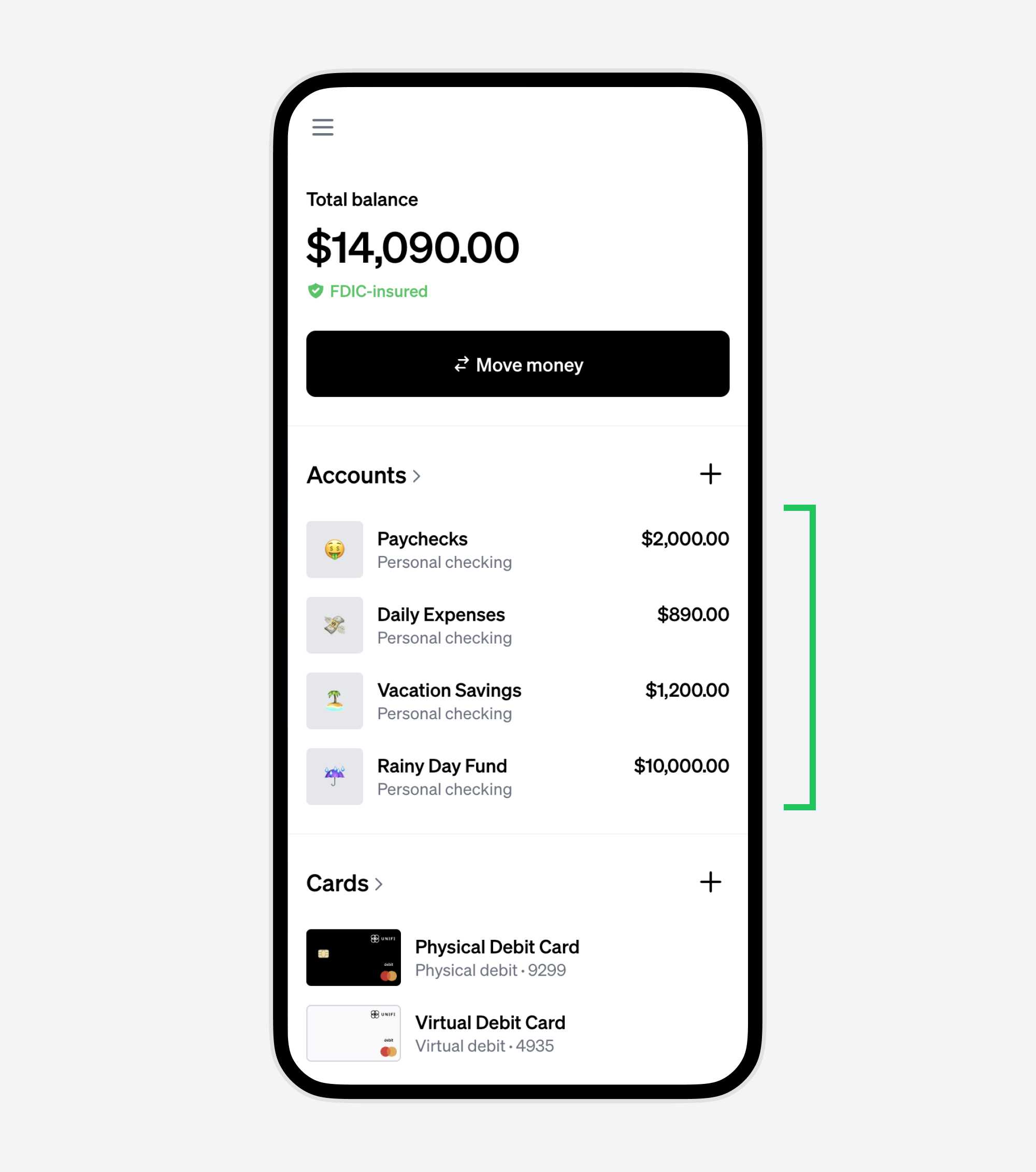
- Open different UniFi accounts for specific savings goals. For example, have one account for day-to-day spending and another for a big goal like a vacation fund. This helps you avoid accidentally using money meant for one thing on something else.
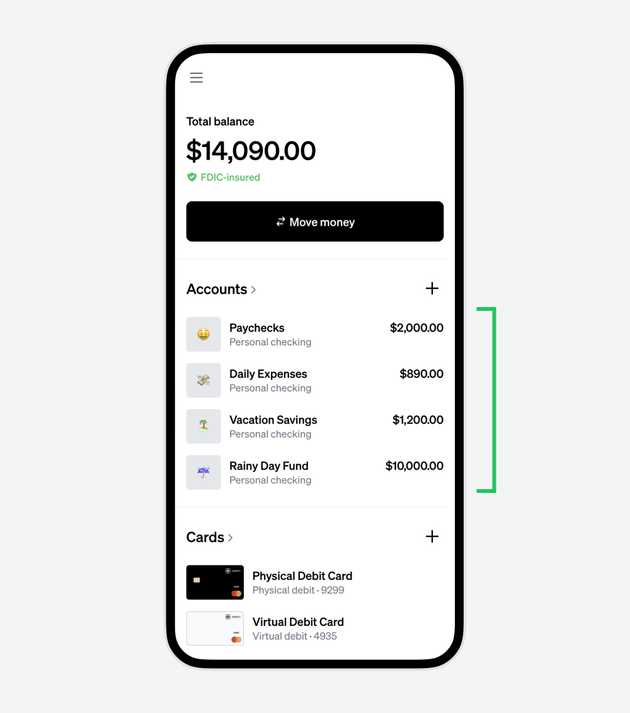
UniFi's user-friendly dashboard helps keep your finances organized.
2. Make a Simple Plan
- What It Means: Set clear financial goals and steps to achieve them.
- Actionable Steps:
- Determine your financial goals (like buying a house, saving for retirement, etc.).
- Plan how much you need to save each month to reach these goals.
3. Balance Risk
- What It Means: Your investments should be a mix of different types to balance potential growth (stocks) and safety (bonds).
- Actionable Steps:
- If you're young, consider investing more in stocks for growth.
- As you get older, shift towards bonds for stability.
4. Start Saving Early
- What It Means: The earlier you start saving, the more your money will grow over time.
- Actionable Steps:
- Set up automatic transfers from your UniFi account into an investment account each payday.
- Even small amounts can add up over time.
5. Diversify
- What It Means: Spread your investments across different types to reduce risk.
- Actionable Steps:
- Invest in a mix of sectors and geographies.
- Consider low-cost mutual funds or ETFs for easy diversification.
6. Keep It Simple
- What It Means: A few well-chosen investments can be more effective than a complicated portfolio.
- Actionable Steps:
- Choose a few broad-based index funds that cover a large portion of the market.
- This simplifies decision-making and management.
7. Choose Low-Cost Options
- What It Means: Lower fees mean more of your money stays invested and grows.
- Actionable Steps:
- Look for funds with low expense ratios.
- Index funds and ETFs often have lower fees compared to actively managed funds.
8. Be Tax Smart
- What It Means: Use tax-advantaged accounts to maximize your investment growth.
- Actionable Steps:
- Maximize contributions to 401(k)s or IRAs.
- Understand the tax implications of your investments and plan accordingly.
9. Stick to Your Plan
- What It Means: Avoid making investment decisions based on market highs and lows.
- Actionable Steps:
- Don't react hastily to market fluctuations.
- Review and adjust your plan annually, rather than responding to short-term market changes.
10. Stay Calm and Carry On
- What It Means: Stick with your investment strategy even in market downturns.
- Actionable Steps:
- Prepare mentally for market fluctuations.
- Remember that downturns are temporary and maintaining your investment course is key for long-term success.
Remember, investing is about the long term. Stay informed, make adjustments as needed, but always keep your overall financial goals in sight.